


Overview
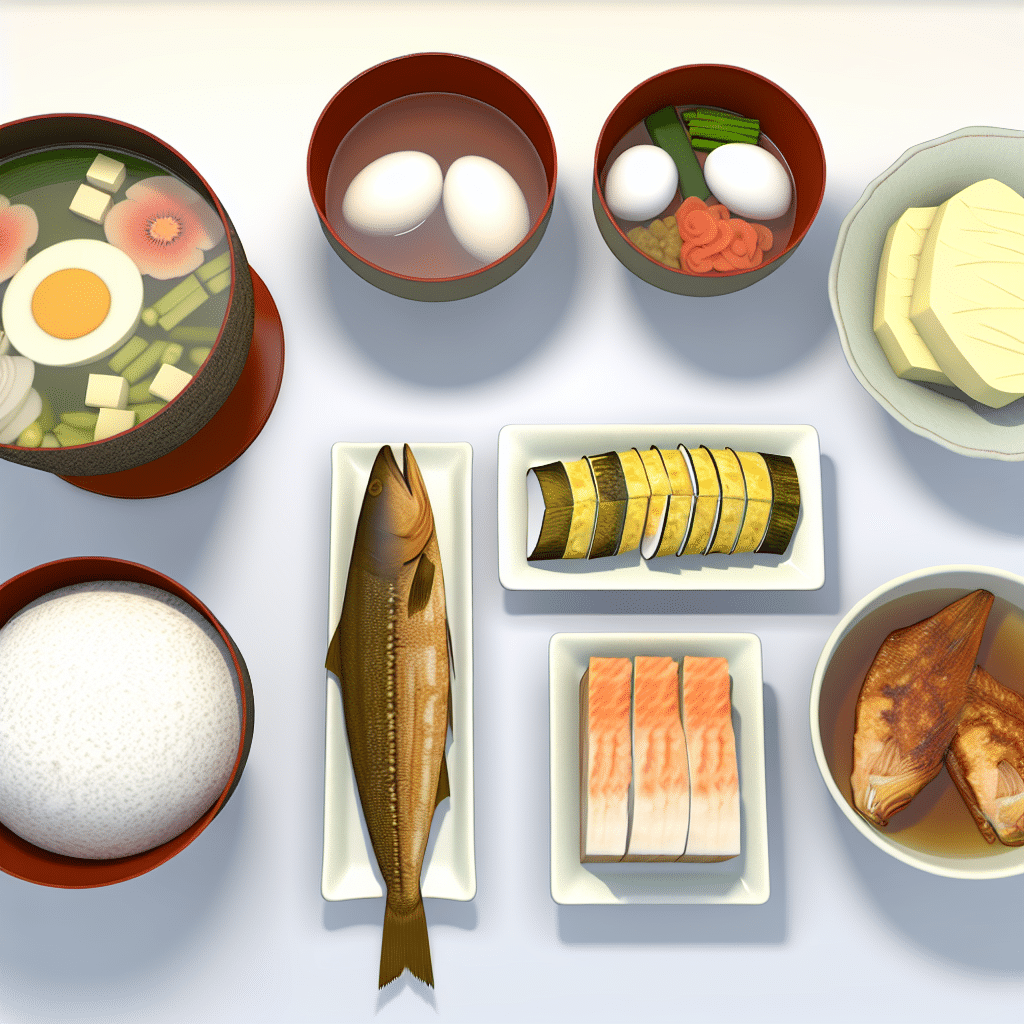
There’s something wonderfully comforting about a classic Japanese breakfast. Often revered for its balance of flavors and nutrition, this meal typically includes steamed rice, miso soup, grilled fish, pickled vegetables, and a rolled omelet. It’s perfect for both individuals looking to incorporate a hearty dose of health into their mornings and families wanting to explore cultural cuisine. Expect to spend about 30-45 minutes preparing and cooking, with a moderate difficulty level for new cooks. Let’s dive in!
Ingredients
- 1 cup (180g) short-grain Japanese rice
- 2 cups (480ml) water (for cooking rice)
- 2 cups (480ml) dashi broth (or water for a simpler base)
- 2 tablespoons (30ml) miso paste (white or red)
- 2 fillets (about 200g) of salmon or mackerel
- 1 tablespoon (15ml) soy sauce
- 1 teaspoon (5ml) mirin (optional)
- 2 eggs
- 1 teaspoon (5ml) vegetable oil
- 1/2 cup (75g) pickled vegetables (tsukemono)
- Optional garnish: sliced green onions and nori
Step-by-Step Instructions
- Start with the rice: Rinse 1 cup of short-grain Japanese rice under cold water until the water runs clear. This helps remove excess starch and prevents the rice from becoming too sticky. Soak in fresh water for about 30 minutes before cooking.
- Cook the rice: After soaking, combine rice with 2 cups of water in a rice cooker or saucepan. If using a saucepan, bring it to a boil, then reduce to a low simmer and cover. Cook for around 15-20 minutes, or until all the water is absorbed. Let it sit covered for 10 minutes to steam.
- Prepare the miso soup: While the rice cooks, pour 2 cups of dashi broth into a saucepan and bring it to a gentle simmer. In a small bowl, mix 2 tablespoons of miso paste with a ladle of hot dashi until smooth. Gradually add this mixture back into the saucepan, stirring well. Cook for 5 minutes; avoid boiling once miso is added to preserve its flavor and probiotics.
- Grill the fish: Preheat a grill pan or skillet to medium-high heat. Rub 2 fish fillets with 1 tablespoon of soy sauce and optionally sprinkle 1 teaspoon of mirin. Grill for about 3-4 minutes per side or until the fish is cooked through and flakes easily with a fork. You can also use a broiler if you prefer.
- Make the tamagoyaki (Japanese omelet): In a bowl, beat 2 eggs with a dash of soy sauce (optional). Heat a small non-stick skillet with 1 teaspoon of vegetable oil over medium heat. Pour in a third of the egg mixture, tilting the pan to spread it evenly. Once the edges start to set, roll the omelet away from you and add another third of the mixture. Cook for another 30 seconds before rolling again. Repeat until all the mixture is used. Slice into bite-sized pieces.
- Plate your breakfast: Serve a portion of rice, a bowl of miso soup, grilled fish, sliced tamagoyaki, and a small side of pickled vegetables. Garnish your dishes with green onions and nori as desired.
Variations & Substitutions
There are many ways to customize your Japanese breakfast:
- Vegan: Substitute tofu or tempeh for the fish and use vegetable broth for the miso soup. Omit the eggs or use a flaxseed meal mixture as a binder.
- Gluten-free: Ensure that your soy sauce is gluten-free or substitute with tamari. Miso paste is generally gluten-free but check labels to be sure.
- Dairy-free: This recipe is naturally dairy-free, making it suitable for those with lactose intolerance.
- Seasonal twists: In the summer, add fresh, grilled vegetables like zucchini or peppers alongside your protein. In the fall, incorporate earthy flavors like mushrooms or pumpkin into the miso soup.
Make Ahead, Storage & Reheating
This classic Japanese breakfast can be prepared mostly in advance:
- Make ahead: Rice can be cooked and stored in an airtight container in the fridge for up to 3 days. Miso soup can also be prepped in advance; just reheat gently without boiling.
- Storage: Grilled fish can be kept in the fridge for up to 2 days. For longer storage, consider freezing individual portions of rice and fish.
- Reheating: Warm rice in a microwave with a splash of water to prevent it from drying out. Use low heat to reheat the miso soup, stirring frequently.
Nutrition (Approx.)
This traditional breakfast serves around two. Here’s a rough estimate of the nutritional content per serving:
- Calories: 480
- Protein: 32g
- Carbohydrates: 56g
- Fat: 15g
- Sodium: 800mg*
*Please note that these values are estimates and can vary based on preparation and portion sizes.
Serving Suggestions
This breakfast is hearty on its own, but you can elevate your meal with some thoughtful pairings:
- Sides: Serve with a small bowl of seasonal fruit like sliced melon or berries for a refreshing touch.
- Beverages: Consider serving with a hot cup of green tea or coffee to round out the experience.
- For kids: You can customize the tamagoyaki with vegetable fillings or cut it into fun shapes to encourage little ones to try new foods.
- On-the-go: Prepare individual bento-style containers for those busy mornings. Everything can be eaten cold or warmed up when needed.
FAQs
What type of rice should I use?
Short-grain Japanese rice is best for a classic texture. Look for “sushi rice” or “Calrose” if you can’t find the exact type.
Can I omit the fish?
Absolutely! Vegetables, tofu, or even a hearty salad can be delicious substitutes for fish.
What else can I add to my breakfast?
You could add steamed spinach or a salad with shredded carrots for extra nutrients and color.
Is this breakfast suitable for meal prep?
Yes! Most components can be made ahead and stored, making this a great choice for busy mornings.
How can I enhance the flavor of my miso soup?
Consider adding chopped seaweed, green onions, or even mushrooms to deepen the flavor.
Conclusion
Making a classic Japanese breakfast at home is both rewarding and nourishing. By following these simple steps, you can create a balanced meal that’s rich in flavor and history. Don’t hesitate to experiment with variations to suit your palate or dietary needs. Now gather your ingredients, and enjoy the art of a beautiful breakfast that can elevate your entire day!




